
.png)
Lulu Hasna Hanifa
Learn the proper etiquette and procedures for prayer and dhikr to enhance your devotions, calm your heart, and live a blessed life every day. Cordoba's Al-Qur'an, Prayer & Dhikr, is here to make daily prayer and dhikr easier.
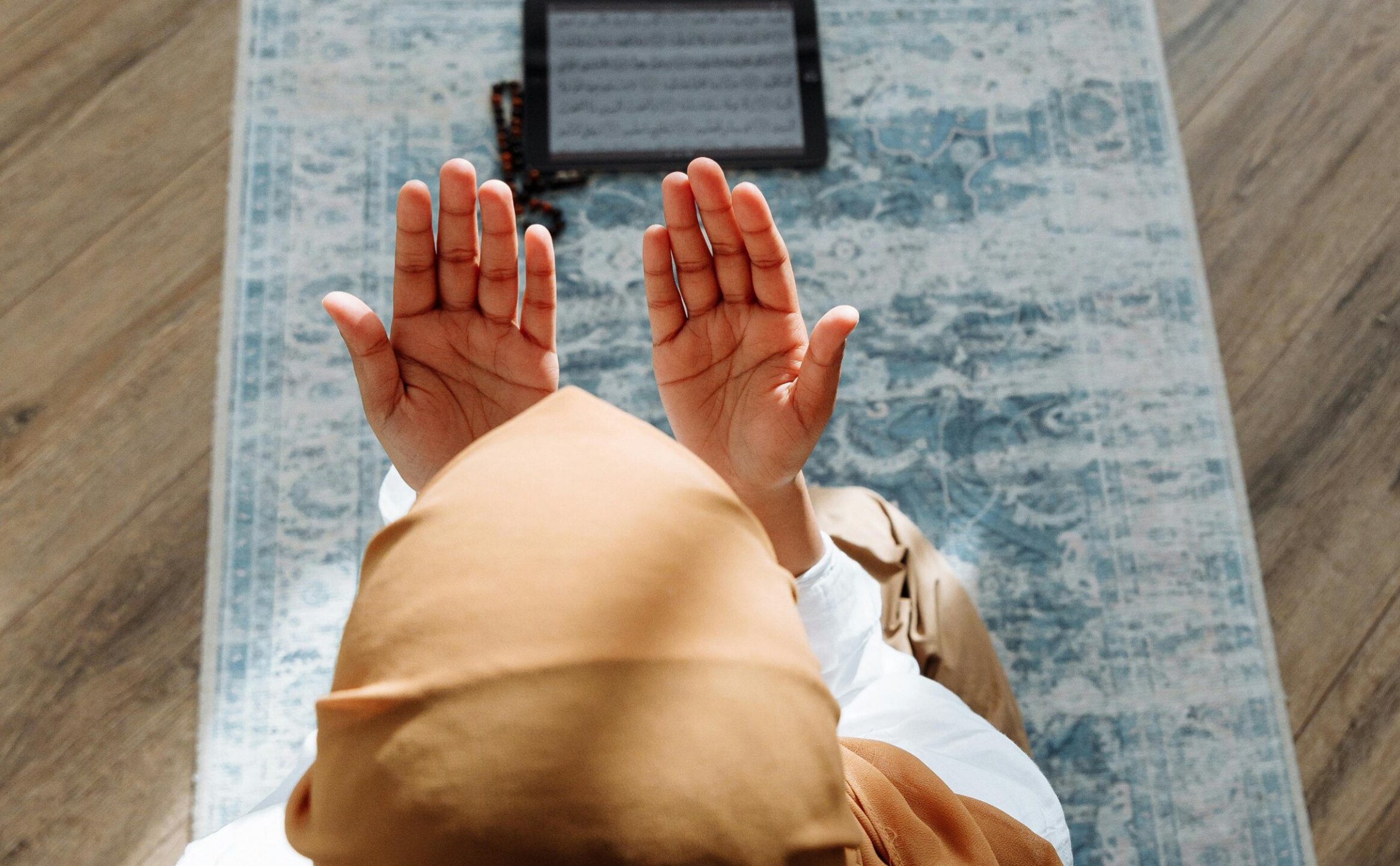
Cordoba Quran - Prayer and dhikr are two practices that are the key to a servant's peace of mind and closeness to Allah. In everyday life, both are not just a routine of worship, but a form of spiritual communication that strengthens faith and enlivens the heart. However, in order for prayer and dhikr to be more meaningful, there are manners and procedures that we need to understand and practice.
Secara bahasa, doa berarti permohonan. Dalam Islam, doa adalah bentuk pengakuan bahwa manusia lemah dan bergantung sepenuhnya kepada Allah. Sedangkan dzikir berarti mengingat , yaitu mengingat Allah dengan lisan, hati, dan perbuatan. Allah berfirman dalam Al-Qur’an:
"Maka, ingatlah kepada-Ku, Aku pun akan ingat kepadamu." (QS. Al-Baqarah [2]: 152)
This verse shows that dhikr is not just words on the lips, but also a heart awareness that continues to bring Allah into every step of life.
Praying is not just about making requests, but also showing humility before the Creator. Here are some etiquettes that need to be maintained:
Sebelum memohon, awali doa dengan memuji Allah dan bersalawat kepada Nabi Muhammad ﷺ. Rasulullah bersabda, “Setiap doa tertahan antara langit dan bumi hingga dibacakan salawat kepada Nabi.” (HR. Tirmidzi)
Don't pray with a negligent heart. Be assured that God is All-Hearing and that every prayer will be answered, even if in different ways.
Although not obligatory, performing ablution and facing the Qibla shows sincerity and good manners in praying.
The Prophet Muhammad (peace be upon him) used to raise his hands when praying. A soft voice conveys greater humility before God.
After making your request, end the prayer by reciting the salawat and the phrase "Aamiin" which means "O Allah, grant it."
Here are some simple steps to make your prayers more organized and devout:
Dhikr can be done anytime and anywhere. However, to be more valuable in the sight of Allah, there are several etiquettes worth observing:
1. Dhikr with heart and tongue
Perfect dhikr is not only said, but also felt. The hearts that are present will grow a sense of love and fear of Allah.
2. In a state of purity
Even though it can be done without ablution, dhikr in a pure state is more important and adds solemnity.
3. Dhikr after obligatory prayers
The Prophet taught dhikr after prayer such as Subhanallah 33 times, Alhamdulillah 33 times, and Allahu Akbar 33 times.
4. Morning and evening dhikr
This practice protects oneself from distractions and provides calm throughout the day. Readings such as Ayat Kursi, Surah Al-Ikhlas, Al-Falaq, and An-Nas are highly recommended.
5. Dhikr with full calm
Do not rush. Say each word with appreciation so that the meaning really enters your heart.
These two practices bring a lot of goodness, both for this world and the hereafter. Some of them:
Prayer and dhikr are gentle paths to inner peace and strength. By maintaining proper etiquette and procedures, these practices will not only become habits but also a source of closeness to God. Start with small steps: praying after each prayer, dhikr before bed, and bringing God into the presence of God with every breath. Indeed, a heart that constantly remembers God will never feel alone.
“Barangsiapa yang mengingat-Ku dalam dirinya, maka Aku akan mengingatnya dalam diri-Ku.” (HR. Bukhari dan Muslim). Wallahu'alam
.jpg)
Also Read: Prayers for Devotion in Prayer and Other Worship
Baca Juga: Doa-Doa Al-Qur’an Ayat Munajat: Dzikir Pagi Petang untuk Segala Hajat
.jpg)

.jpeg)


